
A First-of-Its-Kind Repair for an Australian FPSO
Composite repairs are widely used for piping and process equipment, and occasionally for temporary hull repairs. However, achieving a Class-approved, structurally effective, permanent* repair of primary hull structure has remained a challenge.
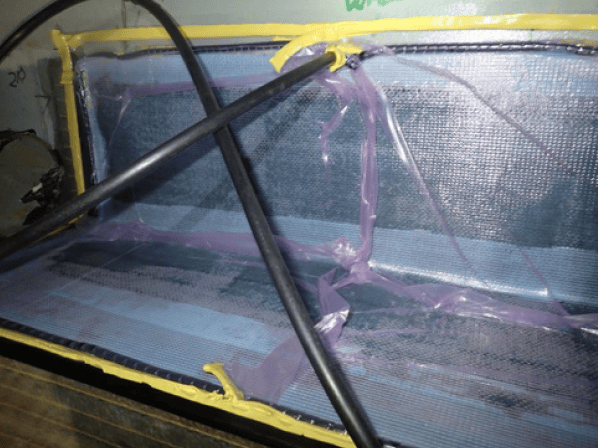
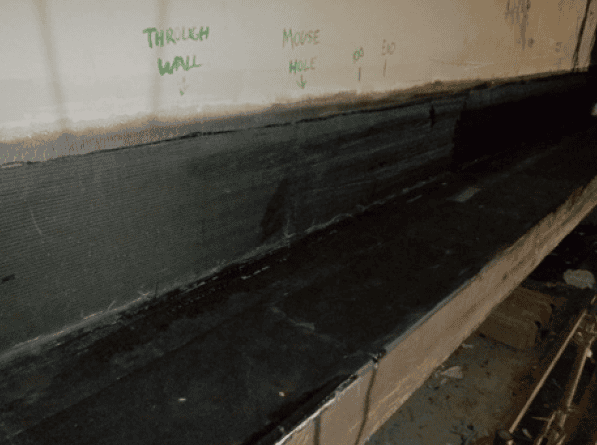
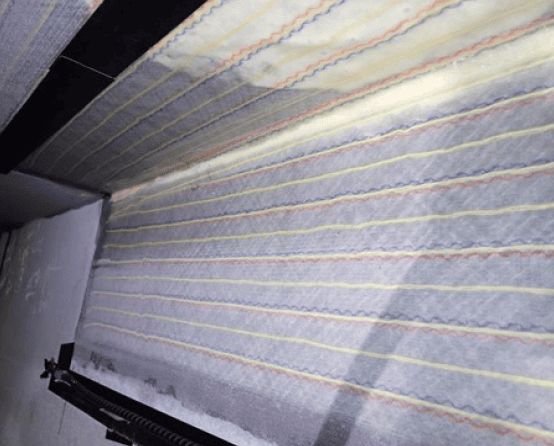
This paper presents the first such repair implemented on an Australian FPSO. It outlines the operational context, technical approach, approval process with Class, analytical and finite element methods, material qualification, and the final installation and inspection process. The paper also highlights lessons learned and how this new development enables broader adoption of composite repairs for floating assets.
*In this context “permanent” means that there are no plans to replace the repair, and the inspection frequency remains the same as for the surrounding tank structure.
Introduction
Although composite technology is mature, when this repair was proposed, there were no published instances of structurally effective Class approved repairs to the primary structure of a steel hull. The reasons for the lack of implementation of composite repairs are not due to the technical capabilities of composites, but rather due to other barriers that prevent their adoption. This paper seeks to address some of these barriers, mainly the lack of publicly available information on successful composite repairs and the pathway navigated to approval and implementation.
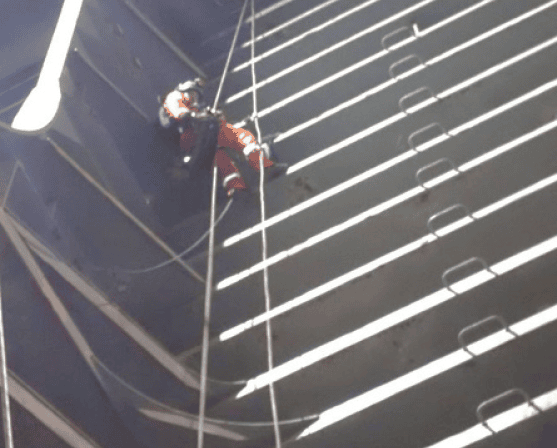
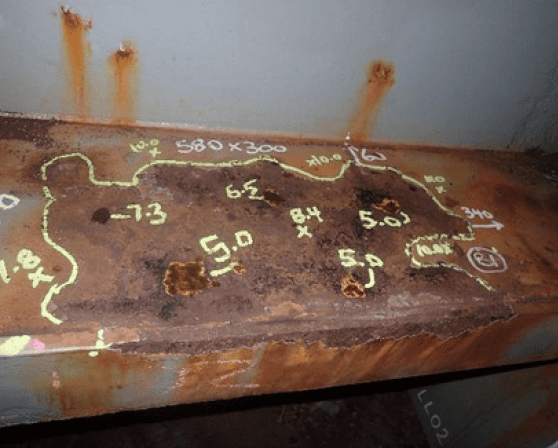
For an Australian Floating Production Storage and Offloading asset (FPSO) based on an ageing hull approaching the end of field life, the operator was interested in investigating alternatives to the traditional crop and renew “like for like” steel repairs. A composite repair would provide the operator with more flexibility to choose how to mitigate the risks of any anomalies discovered during regular inspections of the hull. As a result, Floating Solutions Consulting (FSC) in conjunction with IC Integrity (ICI) were requested to develop a composite repair with FSC focusing on the Naval Architecture and ICI the implementation.

Access Technical Paper